Do Dogs and Cats Know When They're Dying? What the Science Actually Says
The short answer: we don't know. The longer answer is more nuanced and more comforting. Pets are sentient — they feel pain, fear, and comfort. They detect changes in their own bodies. But whether they grasp the concept of approaching death is something science cannot prove. Here's what we do know.
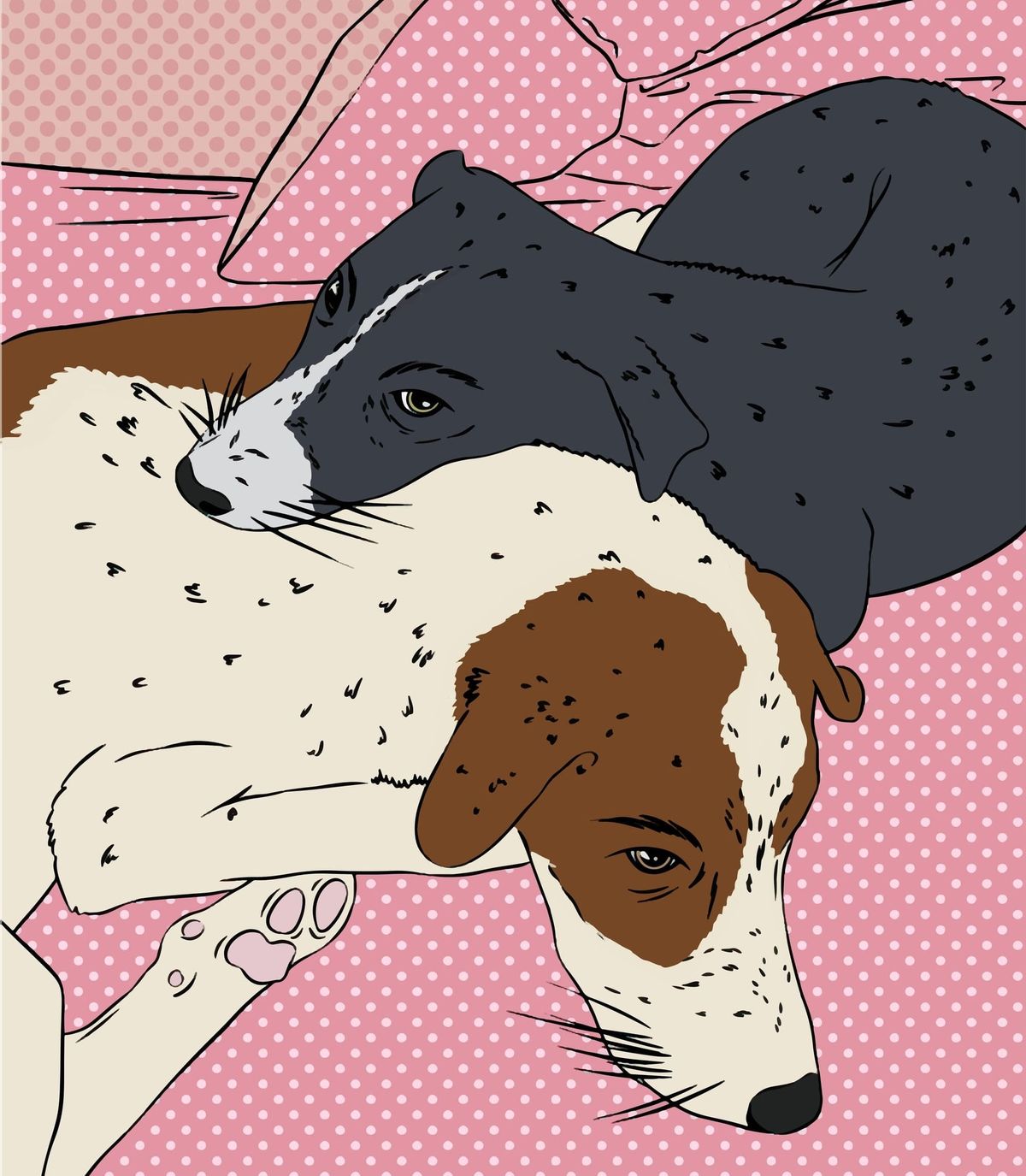
This is one of the most common questions pet owners ask as their animal declines — and one of the hardest to answer honestly. The short answer: we don't know. The longer answer is more nuanced, more comforting, and more useful than the question itself suggests.
What the science tells us is this: pets are sentient — they feel pain, fear, comfort, and distress. They detect changes in their own bodies and respond to illness in observable, measurable ways. But whether they understand that those changes mean they are dying — whether they grasp the concept of death as an approaching event — is something we cannot prove and likely never will.
What we can do is understand what they experience, recognise the signs that they're suffering, and ensure their final days are as comfortable and pain-free as possible. That's what this guide focuses on — not the unknowable question of what they understand, but the actionable question of how to help them.
What the Research Says
The scientific evidence on whether pets "know" they are dying is almost entirely anecdotal. Peer-reviewed studies on the topic are sparse, and the most systematic research we have focuses on how pets react to other animals dying — not their own awareness of death.
A 2016 survey of 153 veterinarians (Dickinson & Hoffmann) found that 54% had observed behaviour changes in nearby animals during another pet's euthanasia — dogs going quiet, cats becoming restless, other animals in the household acting differently. But the researchers themselves cautioned that these reactions likely reflect responses to scent changes, shifts in body language, or the emotional state of the humans present — not a conceptual understanding of death.
Veterinary ethologists have repeatedly warned against anthropomorphism — projecting human emotional frameworks onto animal behaviour. A dog that lies quietly beside a dying companion may be responding to subtle scent changes (illness produces detectable metabolic byproducts), changes in the household routine, or the distress of the humans around them. These are real, meaningful responses. But they are not the same as understanding death.
The most honest scientific position is: pets experience illness, pain, and decline. Whether they interpret those experiences as "dying" is unknowable with current methods. What is not in question is that they suffer — and that suffering can be managed.
What Your Pet Likely Experiences
Even without the concept of death, a dying pet experiences real, measurable things:
Physical discomfort. Pain from disease, injury, or organ failure is mediated by the same neural pathways in animals as in humans. Dogs, cats, rabbits, birds, and even reptiles have nociceptors — nerve endings that detect harmful stimuli — and the subjective experience of pain is well-established across vertebrate species. A dying animal doesn't need to understand death to feel that something is wrong in their body.
Confusion. An animal whose senses are dulling, whose strength is failing, whose routines are disrupted by illness, is likely disoriented. They may not understand why they can't walk to the food bowl, why they can't jump onto the bed, why the world feels different. This confusion is distressing — and it's one of the reasons veterinary end-of-life care focuses so heavily on maintaining familiar environments and routines.
Emotional responses to your distress. Dogs in particular are exquisitely attuned to human emotional states. If you're crying, anxious, or behaving differently around them, they register it. This doesn't mean they understand why you're upset — but they sense the shift in the emotional environment, and it can increase their own anxiety. Your calm presence is not just good for you. It's therapeutic for them.
Instinctive withdrawal. Many species — particularly cats and rabbits — instinctively withdraw when they're ill. Cats hide. Rabbits become still. This isn't a "farewell" or a deliberate goodbye. It's an evolutionary survival response: a sick animal in the wild is vulnerable to predation, so hiding is protective. In your home, it means your cat retreating under the bed isn't choosing to die alone. They're doing what their body tells them to do when they feel vulnerable.
Dogs
Dogs are the most emotionally readable pets, and their end-of-life behaviour changes are the most extensively documented.
What you may notice: Increased clinginess — following you everywhere, pressing against you, wanting to be in physical contact more than usual. Or the opposite: withdrawal, reluctance to engage, sleeping in unusual locations. Reduced appetite, slower movement, laboured breathing, whimpering, or restlessness. Some dogs become very still and quiet. Others pace.
Do they know? Dogs detect changes in their own bodies — they know something feels different, and they respond to that. They also respond powerfully to your emotional state. Whether they connect these experiences to a concept of "dying" is not something we can determine. What we can say is that dogs seek comfort when they feel unwell, and your presence provides that comfort — whether or not they understand why they need it.
How to help them: Keep their environment familiar and calm. Maintain routines as much as possible — mealtimes, brief gentle walks if they can manage them, the usual spots on the couch or bed. Manage pain aggressively with your vet's guidance (NSAIDs, opioids, or adjunct medications like gabapentin). Offer favourite foods — even indulgent ones they wouldn't normally get. Soft bedding, easy access to water, and a quiet space where they can rest without being disturbed. Your physical presence — a hand on their side, sitting on the floor beside them — is one of the most powerful comfort measures available.
Cats
Cats are masters at hiding illness — an evolutionary trait from their wild ancestors. By the time a cat is visibly unwell, the decline is often advanced.
What you may notice: Hiding in unusual places (under beds, in closets, behind furniture). Stopped grooming — matted, dull, or unkempt fur in a cat who was previously meticulous. Loss of appetite, sometimes complete food refusal. Changes in vocalisation — some cats become unusually vocal, others go silent. Reduced or absent purring. Hunched posture.
Do they know? Cats react to internal changes by seeking security and minimising exposure — hiding, withdrawing, becoming still. This is instinctive, not intellectual. A cat hiding under the bed when they're dying is doing the same thing they'd do in the wild: finding a sheltered spot where they feel less vulnerable. It's not a conscious farewell. It's a survival response that, in the context of terminal illness, no longer serves a survival function — but the instinct remains.
How to help them: Respect their desire for quiet and privacy. If they're hiding, don't force them out — but make sure food, water, and a litter box are easily accessible from their hiding spot. Offer strong-smelling foods (tuna, warmed wet food) to stimulate appetite. Pain medication prescribed by your vet (buprenorphine is commonly used in cats). A pheromone diffuser (Feliway) may reduce anxiety. Keep the environment quiet — no loud music, no construction, no unfamiliar visitors. Gentle petting if they seek it, but don't impose interaction. If they come to you for contact, give it generously.
Rabbits
Rabbits hide pain and illness more effectively than almost any domestic species. They are prey animals, and their survival instinct is to appear healthy until they physically cannot.
What you may notice: Sudden stillness. Hunched posture with belly pressed to the ground. Teeth grinding — a loud, audible crunching (distinct from the soft contentment purr of gentle grinding). Refusal to eat. No droppings. Lethargy.
Do they know? Rabbits' brains are simpler than dogs' or cats' — they are unlikely to have any conceptual understanding of death. What they experience is the physical distress of illness: pain, nausea, weakness, confusion. Their withdrawal is entirely instinctive. A rabbit who lies still and stops eating is not "giving up" in a conscious sense — their body is failing, and their instinctive response is to become very quiet and very still.
How to help them: This is urgent. A rabbit that stops eating for more than 8–12 hours is at risk of fatal GI stasis. Syringe-feed critical care formula (available from your vet or pet supply stores). Offer fresh herbs, hay, and greens close to their face. Keep them warm — a low-heat pad under part of the enclosure gives them the option to move toward or away from warmth. Pain relief (meloxicam, prescribed by your vet) is critical. Subcutaneous fluids if your vet recommends them. Keep the environment dim, quiet, and secure. Minimise handling — just be near them. A rabbit-savvy vet should be consulted immediately if your rabbit stops eating.
Birds
Social birds — parrots, cockatiels, budgies — are among the most emotionally complex domestic animals, with cognitive abilities that rival or exceed many mammals. They also hide illness until they're critically ill.
What you may notice: Fluffed feathers with eyes closed during the day. Sitting on the bottom of the cage (a bird that normally perches). Tail-bobbing (rhythmic movement indicating respiratory distress). Reduced or absent vocalisation. Refusing favourite foods. Weight loss (check the keel bone — if it's prominent, they've lost significant mass).
Do they know? Parrots have sophisticated social cognition and long-term memory. Some researchers believe they may have a form of awareness of their own decline, though this is speculative. What is more certain is that they experience pain, distress, and social disruption — and they respond to these with measurable behaviour changes.
How to help them: Warmth is critical — keep the cage area around 80°F/27°C. Offer favourite foods in easily accessible locations. Syringe-feed softened pellets or avian critical care formula if they've stopped eating. A lower perch or padded cage floor prevents injuries from falling. Keep the environment quiet. If the bird is bonded to you, your calm presence near the cage (talking softly, sitting close) is comforting. Contact an avian vet immediately if you see tail-bobbing or open-mouth breathing — these are emergencies.
Reptiles
Reptile cognition is the least understood of all common pets, and their end-of-life experience is the most difficult to read.
What you may notice: Prolonged lethargy — not moving to bask, not responding to food. Open-mouth breathing (respiratory infection or distress). Sunken eyes (dehydration). Weak or absent grip. Incomplete shedding. Refusal to eat at proper temperatures for more than 1–2 weeks.
Do they know? Almost certainly not in any way resembling human awareness. Reptile brains lack the cortical structures associated with complex emotional processing in mammals. They experience nociception (pain signalling) and stress responses, but their subjective experience is likely far simpler than a dog's or cat's. This doesn't mean their suffering is less real — it means it's different, and care should be tailored accordingly.
How to help them: Maintain optimal heat, humidity, and UVB lighting — these are more important for a sick reptile than for a sick mammal, because reptiles depend entirely on environmental conditions for basic metabolic function. Hydrate through soaking (warm baths for tortoises) or subcutaneous fluids (vet-administered). Offer favourite food items — live prey for those that eat it, favourite fruits or insects for others. Pain management in reptiles is challenging and must be vet-directed (butorphanol and meloxicam are sometimes used). Minimise handling. Provide hiding spots so they feel secure. Consult an exotic vet — reptile end-of-life care is specialised.
The Question Behind the Question
Most people asking "does my pet know they're dying?" aren't really asking about animal cognition. They're asking something else — something harder:
Are they scared? Are they suffering? Do they know I'm here? Are they ready?
Are they scared? They may experience anxiety or distress from pain, confusion, or environmental changes. But the existential fear of death — the dread of non-existence — requires a level of abstract thought that most animals almost certainly don't possess. Your pet is not lying awake at night contemplating mortality. They are experiencing the present moment, and if that moment includes pain, we can treat it. If it includes confusion, we can provide familiarity. If it includes anxiety, we can provide calm.
Are they suffering? This is answerable — and it's the question that actually matters. Quality-of-life scales (Villalobos HHHHHMM and Lap of Love) give you a structured way to assess suffering rather than guessing. Score your pet weekly. Share the scores with your vet. When suffering consistently outweighs comfort, you have your answer.
Do they know I'm here? If they can see, hear, smell, or feel you — yes. Your scent, your voice, the warmth of your hand. These register. They may not understand why you're crying, but they know you're there. For a social animal, the presence of their person is one of the most powerful forms of comfort available.
Are they ready? This is a human question, not an animal one. Your pet doesn't have a concept of "ready." What they have is a present experience — and you have the power to make that experience as peaceful as possible, including the decision to end suffering when it can no longer be relieved.
What You Can Do Right Now
If your pet is declining, focus on what is knowable and actionable:
Manage pain. Talk to your vet about an analgesic plan. Don't wait for obvious agony — chronic pain is often subtle (reduced mobility, decreased appetite, restlessness, changes in sleep). Early pain management dramatically improves quality of life.
Maintain the familiar. Same bed, same room, same routines, same people. Novelty is stressful for sick animals. Familiarity is therapeutic.
Be present. Sit with them. Talk to them. Touch them gently. You don't need to do anything extraordinary. Your ordinary presence — the same presence they've known for years — is the most comforting thing you can offer.
Track quality of life. Use a structured scale. Score weekly. When the trend is consistently downward, have the conversation with your vet. For guidance on that conversation, see our [guide to anticipatory grief].
Plan for the end. Choosing a cremation provider, deciding about in-home euthanasia, discussing with family — these decisions are better made before the crisis. See our [guide to arranging a pet cremation] and our [guide to choosing a cremation provider].
Be gentle with yourself. You're watching someone you love decline, and you're carrying the weight of decisions no one prepared you for. That is hard. It is supposed to be hard. It means you love them. For support, see our [complete guide to coping with pet loss].
Frequently Asked Questions
My dog keeps staring at me. Does that mean they know something is wrong? Dogs stare at their owners for many reasons — seeking comfort, reading your emotional state, wanting food or attention, or simply because looking at you triggers oxytocin release (the bonding hormone) in both of you. A sick dog staring at you is likely seeking reassurance and comfort, not communicating an understanding of death. Meet their gaze. Talk to them. Be the anchor they're looking for.
My cat is hiding. Is she going somewhere to die? Cats hide when they feel vulnerable — it's an instinct, not a decision. She's not choosing to die alone. She's doing what her body tells her to do when she feels weak and exposed. Make sure she has food, water, and a litter box within easy reach of her hiding spot, and check on her gently without forcing her out.
My pet had a "good day" yesterday after weeks of decline. Does that mean they're getting better? Possibly — but many owners and veterinarians report a brief rally near the end, sometimes called a "last good day." The pet seems temporarily more alert, eats a little, or shows interest in their surroundings. This can be a genuine moment of comfort, but it's typically not a reversal of the underlying decline. Enjoy the day. Treasure it. But don't change your assessment of the overall trajectory based on a single good day.
Can my pet smell death? Dogs have an extraordinary olfactory system and can detect metabolic changes associated with illness. There are documented cases of dogs detecting cancer, hypoglycaemia, and seizures through scent. Whether they can "smell death" as a specific event is unproven — but they can almost certainly detect the biochemical changes that accompany dying. What they make of that information cognitively, we don't know.
Should I tell my pet it's okay to go? Many owners do this — and many report finding comfort in it. Whether your pet understands the words is unlikely. But they understand your tone, your presence, and your calm. If speaking to them brings you peace and allows you to model the calm they need, do it. You're not doing it for their comprehension. You're doing it for the quality of the moment you share.
Is it selfish to keep them alive? This is the hardest question. The answer depends entirely on why. If you're keeping them alive because they still have quality of life — good days, interest in food, moments of comfort — that's not selfish. If you're keeping them alive because you can't bear to let go, even though their suffering is visible and unmanageable — that's the moment to talk to your vet. The euthanasia decision is an act of love, not an act of giving up. For help with this, see our [guide to pet loss guilt].