How to Explain Pet Cremation to a Child
Children handle difficult truths better than we expect, as long as the words are simple, calm, and honest. Don't avoid the conversation — children fill silence with imagination, and what they imagine is almost always scarier than the truth.
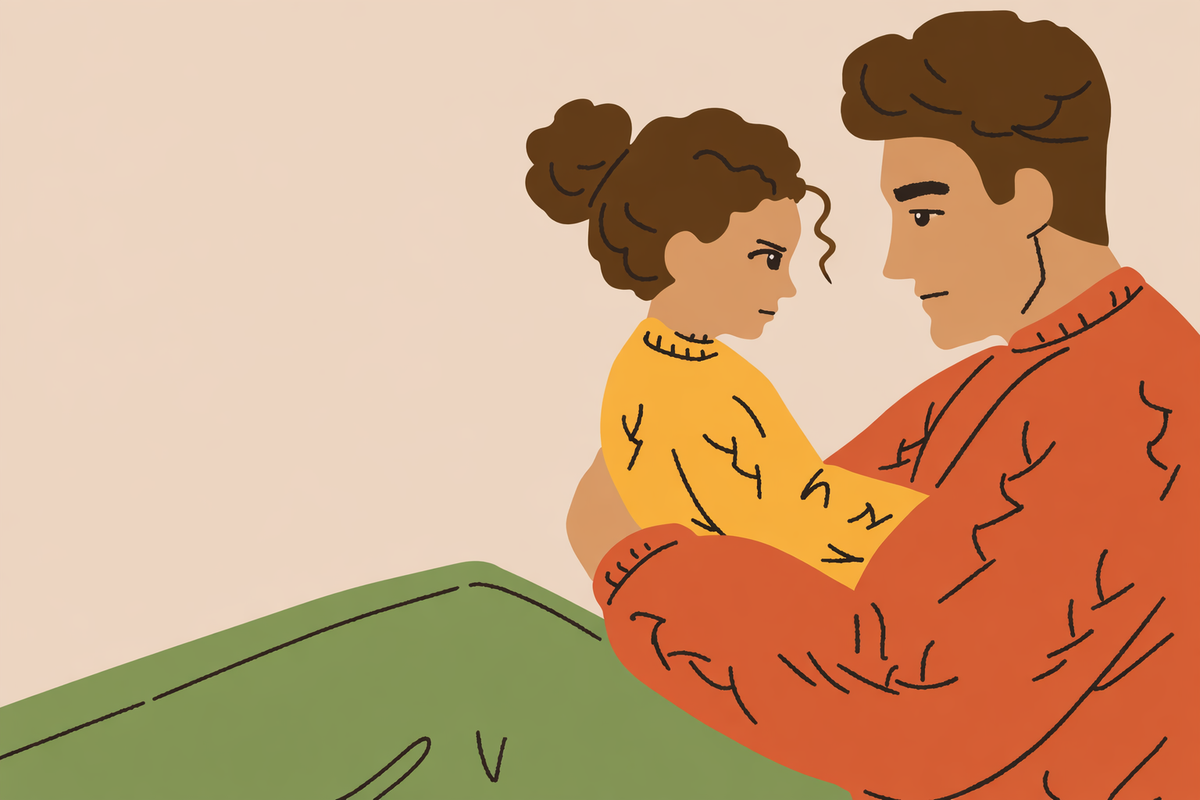
For most children, losing a pet is their first experience with death. Explaining what happened is hard enough — explaining cremation on top of that can feel impossible. But children handle difficult truths better than we expect, as long as the words are simple, calm, and honest.
The most important thing: don't avoid the conversation. Children fill silence with imagination, and what they imagine is almost always scarier than the truth.
Start With One Sentence
Child grief specialists recommend starting with a single calm statement, then waiting for questions:
"Our pet's body stopped working and they died. We chose something called cremation, which means their body will be gently changed into ashes at a special place. Because they've died, they can't feel it."
You can repeat that same idea, almost word for word, as many times as your child needs. Repetition isn't a sign that they don't understand — it's how they process.
What to Say by Age
Young children (ages 3–6)
Keep it very simple and concrete. Don't use metaphors they might take literally.
"Our pet's body stopped working and they died. That means they can't feel anything now — not pain, not cold, not anything. We chose something called cremation. That means their body goes to a special warm place that gently changes it into soft ashes. Because they have died, it does not hurt them."
If they ask "are they being burned?":
"The people there do use special heat, but it only happens after the body has stopped working. Your pet cannot feel it."
Keep it short. If they change the subject, let them. They'll come back to it when they're ready.
School-age children (ages 7–11)
They'll want a clearer explanation but still don't need technical detail.
"When an animal dies, their body is like an empty shell — like a cocoon after the butterfly has flown away. Cremation is a way of taking care of that body. At a special place, they use heat in a safe room to change the body into ashes. It doesn't hurt because the body can't feel anymore."
If they ask why you chose cremation instead of burial:
"Families can either bury a body or have cremation. We chose cremation because it lets us keep their ashes in a special place, or scatter them somewhere they loved."
Teenagers
Teens usually appreciate being spoken to directly, without softening.
"Cremation uses high heat in a cremation chamber to reduce the body to bone, which is then processed into ashes. It happens after death, so the body doesn't feel pain. We can keep the ashes, scatter them, or do something meaningful with them."
You can invite their input on what to do with the ashes or how to remember the pet. Being included in decisions helps teens process grief.
Answering the Questions They'll Actually Ask
"Does it hurt?" This is almost always the first question. The AACAP emphasizes that reassurance on this point is critical. The answer is simple and worth repeating as many times as needed: "No. Cremation happens after they've already died. Their body stopped working, so they can't feel anything at all. It doesn't hurt them."
"Where do they go?" "Their body is changed into ashes. We can keep the ashes in a special box, or scatter them in a place that reminds us of them."
"Why didn't we just bury them?" "Some families choose burial, some choose cremation. There isn't a right way — this is just what we chose. Cremation lets us keep their ashes with us."
"Can I see the ashes?" This is okay if your child asks. Ashes look like soft, pale grey sand — not what most people picture. You can say: "You can see their special box. The ashes inside look like soft sand. If you want, we can open it together." Let them decide.
"Will this happen to me?" "All living things die someday, but that's not something you need to worry about right now. You're healthy and safe."
"Is it my fault?" "No. You didn't do anything to make this happen. Pets die because their body stops working, not because of anything you did or didn't do."
Words to Use and Words to Avoid
Use: "died," "death," "body stopped working," "can't feel anything," "cremation," "ashes"
Avoid:
- "Put to sleep" — children may become afraid of sleep or bedtime
- "Went away" — implies the pet might come back, or chose to leave
- "Passed on" or "lost" — too abstract for young children; they may look for the pet or think it's misplaced
- "In a better place" — can confuse children about why you're sad if the pet is somewhere better
Honest, simple language is harder to say but easier for a child to process. The Baltimore Humane Society and other grief organizations consistently emphasize using the real words — "died" and "death" — rather than softening them into confusion.
Three Things Every Child Needs to Hear
"It's okay to feel how you feel." Sad, angry, confused, or not sure — all of it is normal. Name your own feelings too: "I feel sad. It's okay to be sad."
"It's not your fault." Children often quietly worry that something they did (or didn't do) caused the death. Grief specialists recommend saying this clearly and proactively, even if they haven't asked.
"You can remember them." Invite your child to draw a picture, write a letter, help choose where to put the ashes, or pick a photo to frame. Giving them a role in the memorial helps them process the loss in a concrete way.
It's Okay If You Don't Have All the Answers
You don't need a perfect script. You don't need to have every answer ready. What matters is that you're honest, calm, and available. If your child asks something you don't know how to answer, it's fine to say: "That's a good question. I'm not sure. Let me think about it and we'll talk more."
Children don't need you to fix the grief. They need to know it's safe to feel it.
Frequently Asked Questions
At what age can a child understand cremation? Most children can understand a simple explanation of cremation by age 3–4, though the depth of understanding varies. Use concrete language ("body stops working," "changed into ashes") rather than metaphors. Adjust the level of detail to match the questions they ask — not more, not less.
Should I let my child see the pet's body before cremation? This depends on the child and the circumstances. Many grief experts say that seeing the body can help a child understand that the pet has died, especially for young children who may not fully grasp the concept of death. If you do, keep the setting calm and let the child decide how close they want to be.
Should I involve my child in deciding what to do with the ashes? For school-age children and teens, yes — being included in decisions (where to scatter, what urn to choose, whether to plant a memorial tree) gives them a sense of agency during a time when everything feels out of their control.
What if my child doesn't seem upset? That's normal, especially for younger children. Grief in children often comes in waves — they may seem fine for days and then ask a question or cry unexpectedly weeks later. Don't push them to show emotion. Just stay available.
What if I get upset while explaining? That's okay too. Showing emotion teaches your child that it's safe to feel sad. You can say: "I'm crying because I'm sad about our pet. That's normal. It's okay for both of us to feel sad."