Should I Be in the Room When My Pet Is Euthanized?
There is no right answer. The RSPCA and AVMA both leave the decision with you. This guide gives you the information to trust your own decision: what happens during euthanasia step by step, what you'll see if you stay, what happens if you leave, and the emotional outcomes of each choice.
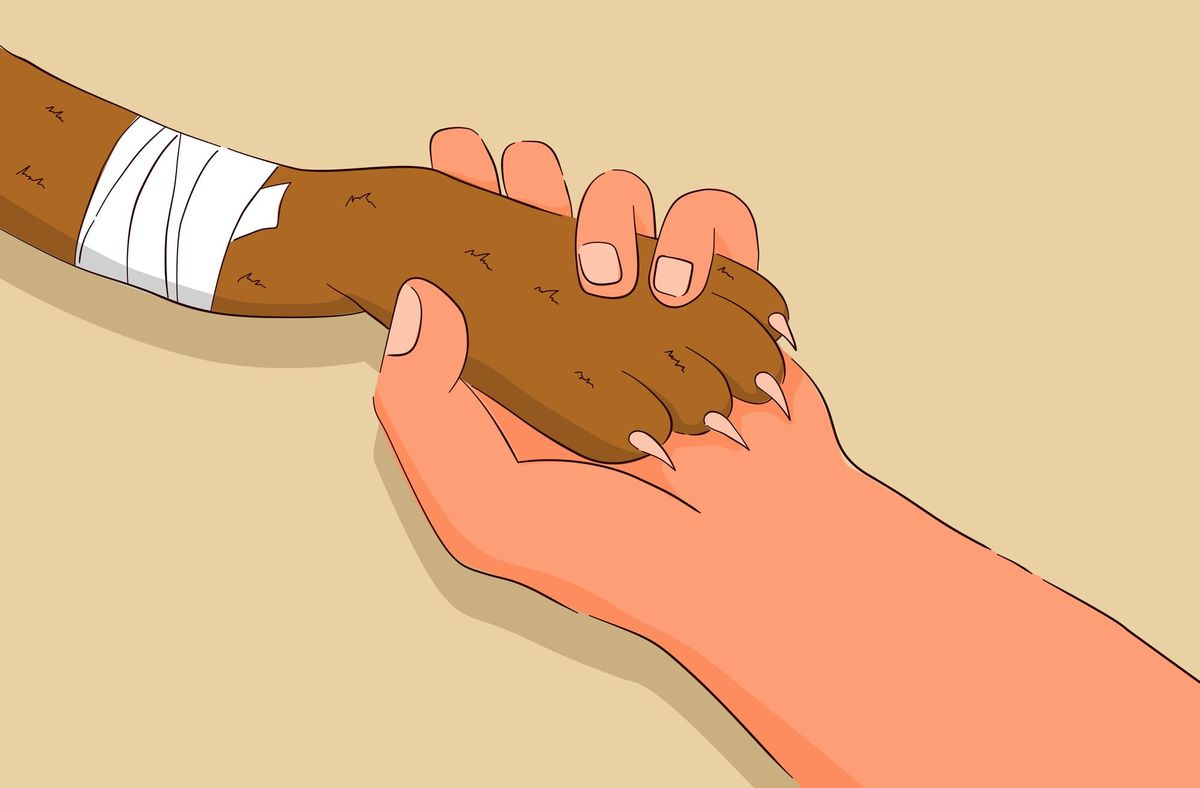
There is no right answer to this question. The RSPCA says it directly: "Some owners want to be there, others find it too distressing. There's no right or wrong." The AVMA states that owners "should be permitted to be present during euthanasia whenever feasible." Both organisations leave the decision where it belongs — with you.
What this guide offers is the information you need to make that decision: what actually happens during euthanasia (step by step, honestly), what you'll see if you stay, what happens to your pet if you leave, the emotional outcomes of each choice, and how to prepare either way. Most people searching for this answer aren't looking for someone to tell them what to do. They're looking for enough information to trust their own decision.
What Actually Happens During Euthanasia
Understanding the procedure is the single most important thing you can do before deciding whether to be present. Most of the fear around euthanasia comes from not knowing what to expect. The reality is almost always calmer, gentler, and more peaceful than people imagine.
Step 1: Check-in and consent
You'll meet with the veterinarian (or veterinary technician) who will review the decision, answer your questions, and confirm your consent. This is the time to ask anything: how long it will take, what you'll see, whether you can hold your pet, and what happens after. If you're having the procedure done at home, this conversation happens in your living room or wherever your pet is most comfortable.
Step 2: Sedation
Most veterinarians now give a sedative before the euthanasia injection. This is a significant change from past practice and makes the experience much calmer for both the pet and the owner. The sedative relaxes your pet, reduces anxiety, and often puts them into a deep, drowsy state — essentially falling asleep on your lap or in their favourite spot. Specialist guidelines emphasise that pre-euthanasia sedation "minimizes fear and pain" and "lessens the need for restraint while the pet is with caregivers."
This stage takes 5–15 minutes. During this time, you can hold your pet, talk to them, and be with them as they become drowsy. For many owners, this is the most peaceful part of the process — and the part they're most grateful they were present for.
Step 3: The euthanasia injection
Once your pet is fully sedated — calm, comfortable, and often asleep — the veterinarian places an IV catheter (if not already placed) and administers the euthanasia solution, typically a barbiturate called pentobarbital. Cornell University's College of Veterinary Medicine explains that the injection causes loss of consciousness within seconds, followed by cessation of breathing and heartbeat within one to two minutes.
Your pet does not feel this. They are already sedated. The transition from deep sedation to death is seamless — there is no moment of fear, no pain, no awareness of what is happening.
Step 4: What you may see
This is the part most guides skip, and the part that matters most for your decision. Even after your pet has lost consciousness and died, normal physiological reflexes can occur:
- Eyes may remain open. This is common and does not mean your pet is aware.
- A final deep breath or gasp. Called an agonal breath, this is a reflex, not a sign of distress or consciousness. Your pet feels nothing.
- Muscle twitching or a brief shudder. Involuntary muscle contractions as the nervous system shuts down.
- Bladder or bowel release. As muscles relax completely, urine or stool may be released. The veterinary team will have absorbent pads in place.
These are all normal. They do not indicate pain, awareness, or suffering. But they can be distressing to witness if you're not prepared for them. Knowing in advance that these may happen — and that they are purely mechanical — is the most important piece of preparation if you choose to stay.
Step 5: Confirmation and goodbye
The veterinarian listens with a stethoscope to confirm that the heartbeat has stopped, then tells you: "They've passed." You can then spend as much time as you need with your pet's body. There is no rush. You can hold them, talk to them, cry, sit quietly, or simply rest your hand on them. The veterinary team will step back and give you space.
If You Stay
Most people who stay report that the experience was more peaceful than they expected — and that being there gave them a sense of closure they don't think they would have found otherwise.
What staying offers
You know exactly what happened. There is no uncertainty, no imagining, no wondering. You were there. You saw that it was gentle, that your pet was not afraid, that the last thing they felt was your hand and your voice. This knowledge — complete and firsthand — is what many people describe as the most comforting thing about the entire experience.
Your pet may be calmer with you there. Veterinary guidelines note that many pets are more relaxed in the presence of their owner. Your scent, your voice, your touch — these are the anchors of your pet's entire emotional world. For a pet who is already anxious or in pain, your presence can make the difference between a stressful death and a peaceful one.
It can help prevent complicated grief. Dr. Elizabeth Benson of Paws Into Grace notes that "choosing to stay until the very end often helps prevent the onset of complicated grief." This isn't universally true — some people who stay are still devastated — but the research suggests that the sense of completion and presence reduces the "what if" rumination that can prolong grief.
It's a final act of love. For many people, this is the simplest and most powerful reason. You were there for every morning, every walk, every vet visit, every illness. Being there for the last moment is a continuation of the care you provided throughout their life. One veterinarian describes it as ensuring that "the last thing these helpless animals knew was the sound of a friendly voice and the touch of a gentle hand."
What staying costs
You will witness death. Even a peaceful, sedated death is still death. You will see the moment your pet stops breathing. You will feel the body become still under your hand. For some people, this image becomes a source of comfort. For others, it becomes an image they can't shake.
The reflexes can be disturbing. Even knowing intellectually that agonal breaths and muscle twitches are normal doesn't always prevent the visceral reaction of seeing them. If you're someone who is deeply affected by visual stimuli — if images stay with you — this is worth weighing.
The emotional intensity is concentrated. Everything happens in a small room over 15–30 minutes. The sedation, the last moments of consciousness, the injection, the confirmation of death, the silence afterward. It's a concentrated dose of the most intense grief you'll feel, delivered in a compressed timeframe.
If You Leave
Leaving is not abandonment. It is a legitimate, valid, unjudged decision that millions of pet owners make — and that veterinary professionals fully support.
What leaving offers
You are spared the most acute moment. You don't see the injection, the final breath, the reflexes. For people with anxiety, trauma histories, or extreme fear of death, this protection is not trivial — it's self-care.
Your pet is not alone. This is the most important thing to understand. If you leave, the veterinarian and veterinary technician stay with your pet. They hold them. They speak to them softly. They ensure the process is calm and gentle. Your pet is in the care of trained, compassionate professionals who do this work because they care about animals. One veterinary technician, in a viral post, told owners who couldn't be present: "We kiss your dogs for you as their last goodbye."
You can say goodbye on your own terms. Many owners who choose to leave spend extra time with their pet before the sedation — talking, holding, saying everything they need to say — and then step out before the injection. The goodbye happens in a way you control, on a timeline you set, in the emotional register that feels right to you.
What leaving may cost
Uncertainty. You weren't there. You don't have the firsthand knowledge of what happened. For some people, this doesn't matter — they trust the vet and move on. For others, the not-knowing becomes its own source of anxiety: Was it really peaceful? Were they scared? Did they look for me?
Potential guilt. Some owners who leave report guilt afterward — feeling that they should have been stronger, should have stayed, should have been there. This guilt is not universal, and it doesn't make leaving the wrong choice. But it's real, and it's worth acknowledging as a possibility.
Regret. One study of bereaved owners noted that some who didn't stay "shared considerable regret" later. This doesn't mean everyone who leaves regrets it — many don't. But among those who do feel regret, the sting can persist. If you're the kind of person who tends to second-guess decisions, this factor deserves extra weight.
How to Decide
There is no formula. But these questions can help you clarify what feels right:
Can I tolerate witnessing the physical process — including possible reflexes — without it becoming a lasting source of distress? If the answer is yes, staying may provide comfort and closure. If the answer is no or uncertain, leaving is a valid act of self-protection.
Will I feel more at peace knowing I was there, or knowing I was spared the moment? Some people gain peace from presence. Others gain peace from distance. You know which one you are.
Do I have unfinished things to say? If you need to be holding them, talking to them, touching them at the very end — stay. If you've already said everything you need to say (or if you can say it before the injection), leaving doesn't leave anything undone.
What does my pet need? Some pets are visibly calmer with their owner. Others are more anxious when they sense their owner's distress. Your vet can help you assess this. If your pet tends to feed off your emotions and you're likely to be extremely upset, your distress could make their experience worse — in which case stepping out may actually be the more compassionate choice.
What is my history with loss and trauma? If you have a history of traumatic loss, severe anxiety, or PTSD, witnessing death — even a peaceful one — can be triggering. A therapist or grief counsellor can help you think through this before the appointment.
How to Prepare If You're Staying
Tell the vet you plan to stay so they can explain the process and your role. Ask where to sit, whether you can hold your pet, and what to expect at each stage.
Bring comfort items. Your pet's favourite blanket, a toy, a bed — something with familiar scent. If the appointment is at home, position your pet in their favourite spot.
Know what you'll say. Many people find it helpful to have a few words prepared — not a script, but a few things they want their pet to hear. "I love you. You were the best. It's okay to go." You don't have to say anything. Your presence is enough.
Bring someone for yourself. A partner, a friend, a family member who can sit beside you, drive you home, and be with you afterward. You shouldn't have to manage the logistics of leaving while you're in the depth of grief.
Expect the reflexes. Remind yourself before the injection: the eyes may stay open, there may be a final breath or twitch, there may be a release of bladder or bowels. These are normal. They are not pain. Your vet will tell you when your pet has lost consciousness, and everything after that point is purely mechanical.
Take your time afterward. You don't have to leave immediately. Sit with your pet. Let yourself cry. Let the room be quiet. The staff will not rush you.
How to Prepare If You're Leaving
Say your goodbye before the sedation. Spend as much time as you need — talking, holding, being present — while your pet is still conscious. This is your farewell. Make it count.
Tell the vet how to reach you. Ask them to come get you, send a text, or call you the moment it's over. Knowing you'll be told immediately — rather than sitting in uncertainty — reduces the anxiety of waiting.
Arrange to see the body if you want. Some owners who leave find it helpful to return to the room after death to see their pet one last time — to touch them, to confirm they're at peace, to say a final word. Others don't want to. Both are fine. Make the decision in advance so the staff knows what to expect.
Don't apologise. You do not need to explain or justify your decision to the vet, the technician, or anyone else. "I'm going to step out — please take care of them" is a complete sentence.
Plan the rest of the day. You'll need time afterward. Don't schedule anything. Have someone with you. Go somewhere comforting — home, a friend's house, somewhere quiet. The grief will arrive whether you were in the room or not.
A Note About Children
If you have children and are deciding whether to include them, see our [detailed guide to talking to children about pet death], which covers age-by-age considerations. The brief version: the AVMA recommends that children should not be automatically excluded — many benefit from being present and find it provides closure. But readiness depends on the child's age, temperament, and preparation. Children under five generally shouldn't witness the injection itself. Children aged six and older can often handle it if they're prepared for what they'll see. Teenagers should be given the choice and their decision respected.
Never force a child to be present or to leave. Let them decide — and support whichever choice they make.
Where to Find Support
If you're struggling with this decision — or with guilt after having made it — support is available:
- Pet Compassion Careline: 1-855-245-8214 — 24/7, English/French/Spanish
- OVC Pet Loss Support: (519) 824-4120 ext. 53694 — University of Guelph, free counselling
- The Parted Paw (Koryn Greenspan, GTHA) — individual grief counselling
- 9-8-8 (Canada's Suicide Crisis Helpline) — 24/7
For guidance on the grief that follows — whether you stayed or left — see our [complete guide to coping with pet loss]. For help with guilt specifically, see our [guide to pet loss guilt].
Frequently Asked Questions
Will my pet know I'm there? During the sedation phase, yes — they can hear your voice, feel your touch, and smell you. Once the euthanasia injection is given and they lose consciousness (within seconds), awareness ceases. But in the minutes leading up to that moment — the minutes that matter most — your presence is real and registered.
Will my pet be scared if I leave? Your pet will be sedated before the euthanasia injection, which means they'll be drowsy and relaxed regardless of who is in the room. The veterinary team will provide gentle handling and a calm environment. Your pet will not experience the injection as frightening — they'll experience it as falling asleep from an already drowsy state.
What if I start crying and can't stop? That's okay. Veterinary teams see this every day and are not uncomfortable with your tears. Crying doesn't disturb your pet — especially once they're sedated. If you're worried about being too upset to function, bring someone who can support you and help you communicate with the vet if needed.
What if I faint or have a panic attack? This is rare but it happens. If you have a history of fainting, vasovagal responses, or panic attacks, tell the vet in advance. They can position you in a chair, have water available, and keep an eye on you. If it becomes too much, you can step out at any point — even mid-procedure. The vet will continue to care for your pet.
I left and I feel guilty. Will this feeling go away? For most people, yes — the acute guilt softens over weeks to months. It helps to remind yourself: you made the decision to end your pet's suffering. Whether you were in the room or not, you chose mercy. The euthanasia itself was the act of love. Your presence at the moment of death was a separate question — and there is no wrong answer to it. If the guilt persists and interferes with your daily life, a grief counsellor can help. See our [guide to pet loss guilt] for specific frameworks.
I stayed and I can't stop seeing the final moment. Is that normal? Intrusive images after witnessing death are a normal acute stress response. For most people, they fade over days to weeks. If the images are still vivid, frequent, and distressing after a month — or if you're having flashbacks or nightmares — this may be a trauma response that benefits from professional support. EMDR therapy is specifically designed for this kind of experience.
Can I change my mind during the procedure? Yes. If you planned to stay but it becomes too much, you can leave at any point. If you planned to leave but decide you want to come back in before the injection, tell the staff. The veterinary team will adapt to whatever you need in the moment. There is no commitment that can't be changed.
Is in-home euthanasia better than at the clinic? Many owners find that in-home euthanasia is calmer for both the pet (familiar environment, no car ride, no clinic stress) and for themselves (privacy, comfort, no drive home afterward). In the GTHA, providers like The Mobile Hospice Vet and Midtown Mobile Veterinary Hospice (part of Lap of Love) offer in-home services. It typically costs more than a clinic visit, but many owners describe it as the most peaceful option available.